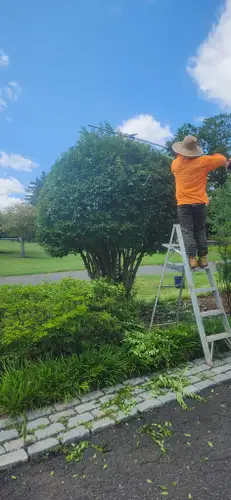
Eco-Friendly Landscaping: Sustainable Practices for a Greener Yard Jun 22, 2026
First, consider native plants, which are well-suited to the local climate and soil conditions. By selecting native species, you reduce the need for excessive watering and fertilizers, ultimately conserving water and minimizing chemical runoff. Native plants also support local ecosystems by providing habitats and food sources for local wildlife, such as birds and pollinators like bees and butterflies. Research native plant options that thrive in your region and design a landscape that integrates a variety of these species for a sustainable and flourishing garden.
Water conservation is another fundamental principle of eco-friendly landscaping. Implementing efficient irrigation systems, such as drip irrigation or soaker hoses, can significantly reduce water wastage. These systems directly target the base of the plants, ensuring water reaches the roots with minimal evaporation. Additionally, watering early in the morning or late in the afternoon can further minimize evaporation. Consider capturing rainwater with barrels to provide a natural source of water for your garden while decreasing dependence on municipal water supplies.
Incorporating composting into your landscaping routine not only enriches the soil but also reduces waste. Composting involves using organic materials like grass clippings, leaves, and kitchen scraps to create nutrient-rich compost. This natural fertilizer enhances soil health, promotes robust plant growth, and reduces the need for synthetic fertilizers. As an added benefit, composting reduces landfill waste and lowers your carbon footprint.
Next, we address the importance of sustainable hardscaping. Hardscaping involves the use of non-plant elements, such as patios, walkways, and retaining walls, to enhance your landscape design. Opt for eco-friendly materials like permeable pavers, which allow water to seep through, replenishing groundwater supplies and reducing runoff. Recycled materials can also be used in hardscaping to minimize environmental impact. By thoughtfully planning hardscape elements, you can create functional outdoor spaces that are both environmentally responsible and visually appealing.
Mulching is another simple yet effective method to enhance eco-friendly landscaping. Applying a layer of mulch around plants conserves moisture, regulates soil temperature, and suppresses weed growth. Organic mulch, such as wood chips or straw, eventually decomposes, further enriching the soil. This natural approach keeps your garden vibrant with minimal maintenance and chemical intervention.
Finally, consider creating wildlife-friendly habitats. This can be done by installing birdhouses, bat houses, or insect hotels to attract beneficial species that help control pests and pollinate plants. A water feature, like a small pond or birdbath, can provide a water source for wildlife, encouraging biodiversity in your backyard.
By adopting these eco-friendly landscaping practices, you can enjoy a sustainable and beautiful yard that benefits both the environment and your community. At Cristian's Maintenance and Hardscaping LLC, we are committed to helping our clients make greener choices for their landscapes. Transform your yard into a thriving, eco-friendly oasis that stands as a testament to your commitment to environmental stewardship and natural beauty.
/filters:no_upscale()/filters:format(webp)/media/0fe8ed12-adc1-4303-a789-19f5147b92c7.jpeg)
/filters:no_upscale()/filters:format(webp)/media/561b82aa-4409-477d-bc32-3a217e65b215.webp)